11 Pallets of Sod Laid Over Regraded Topsoil
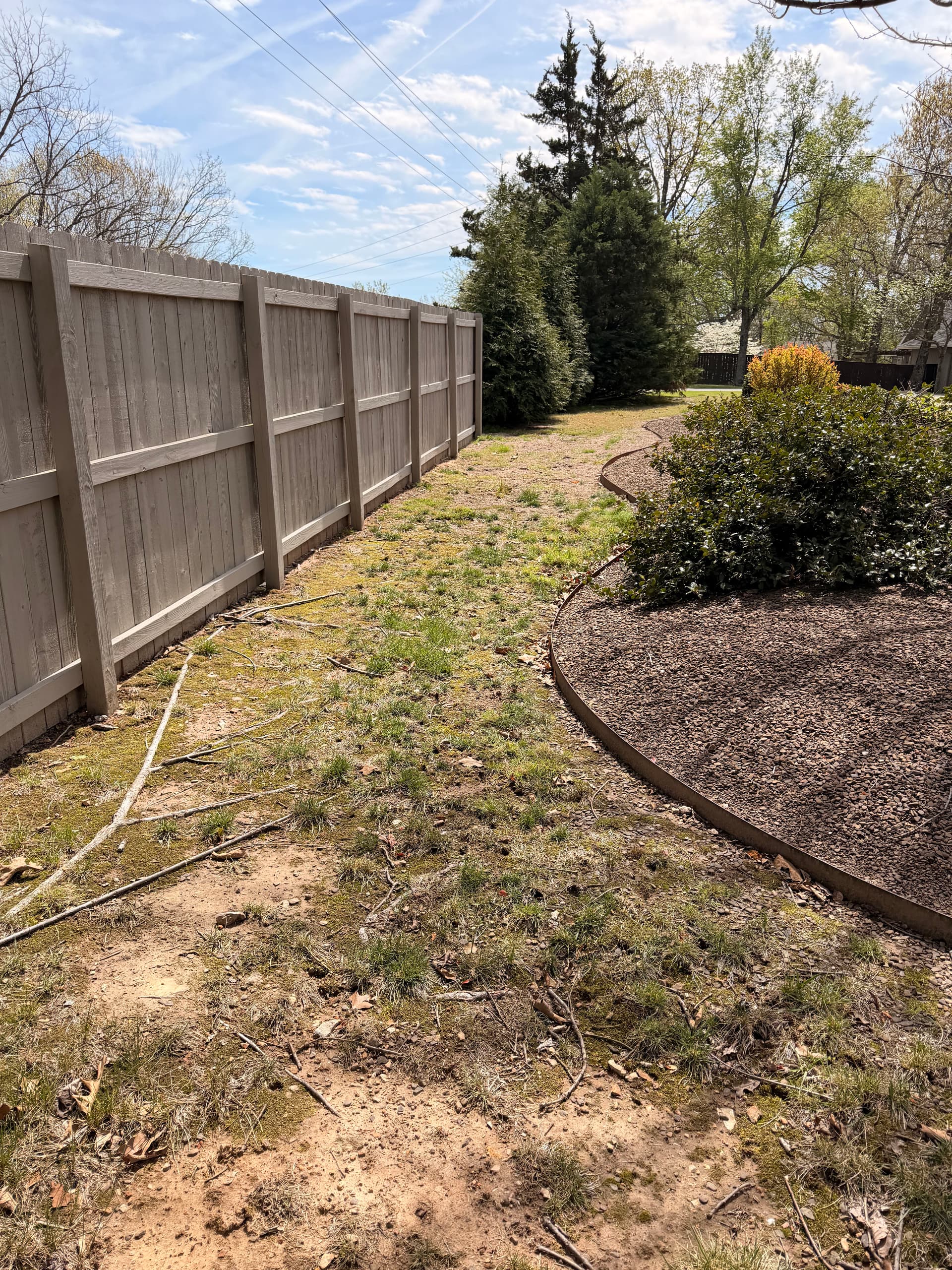
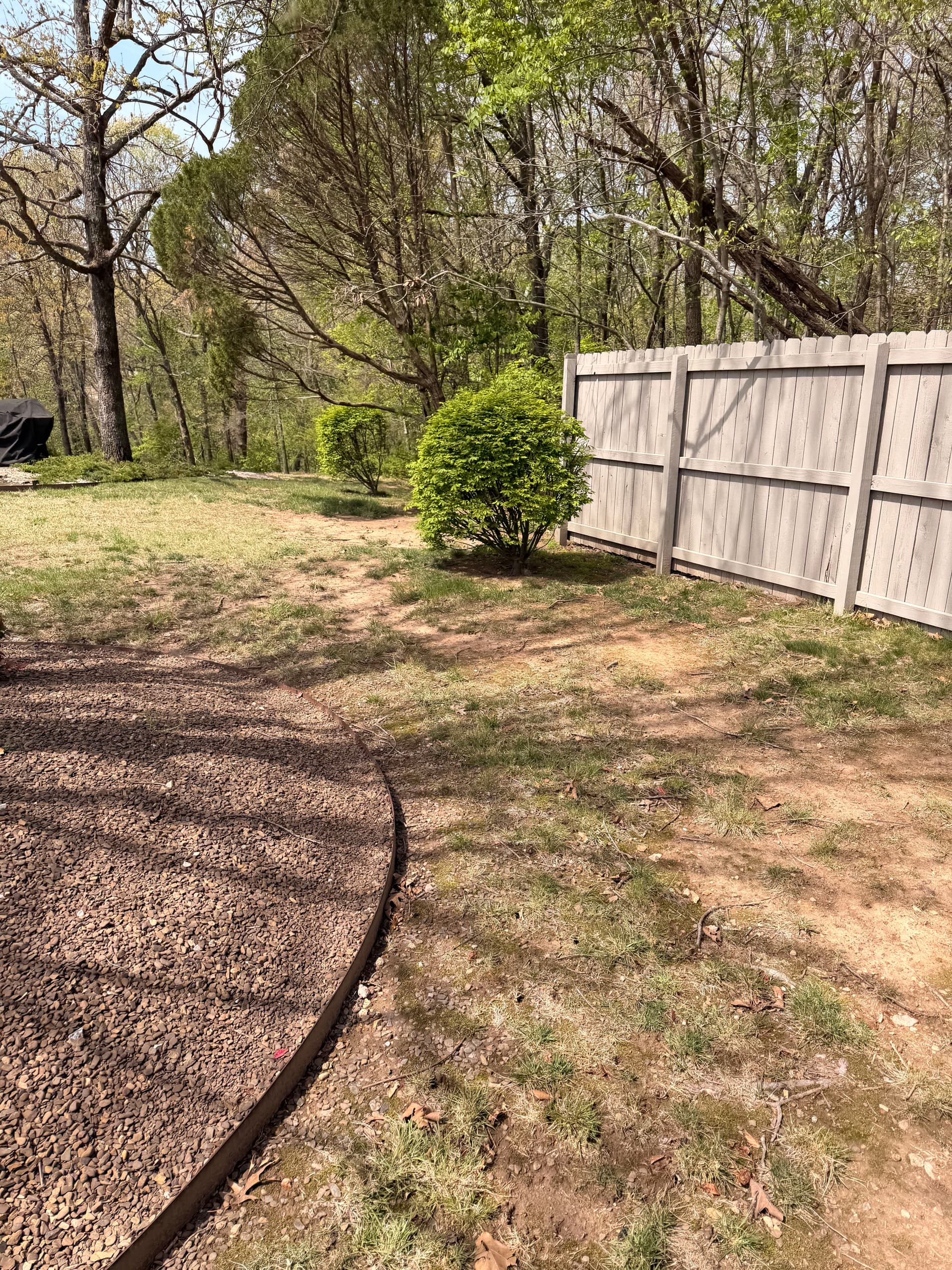
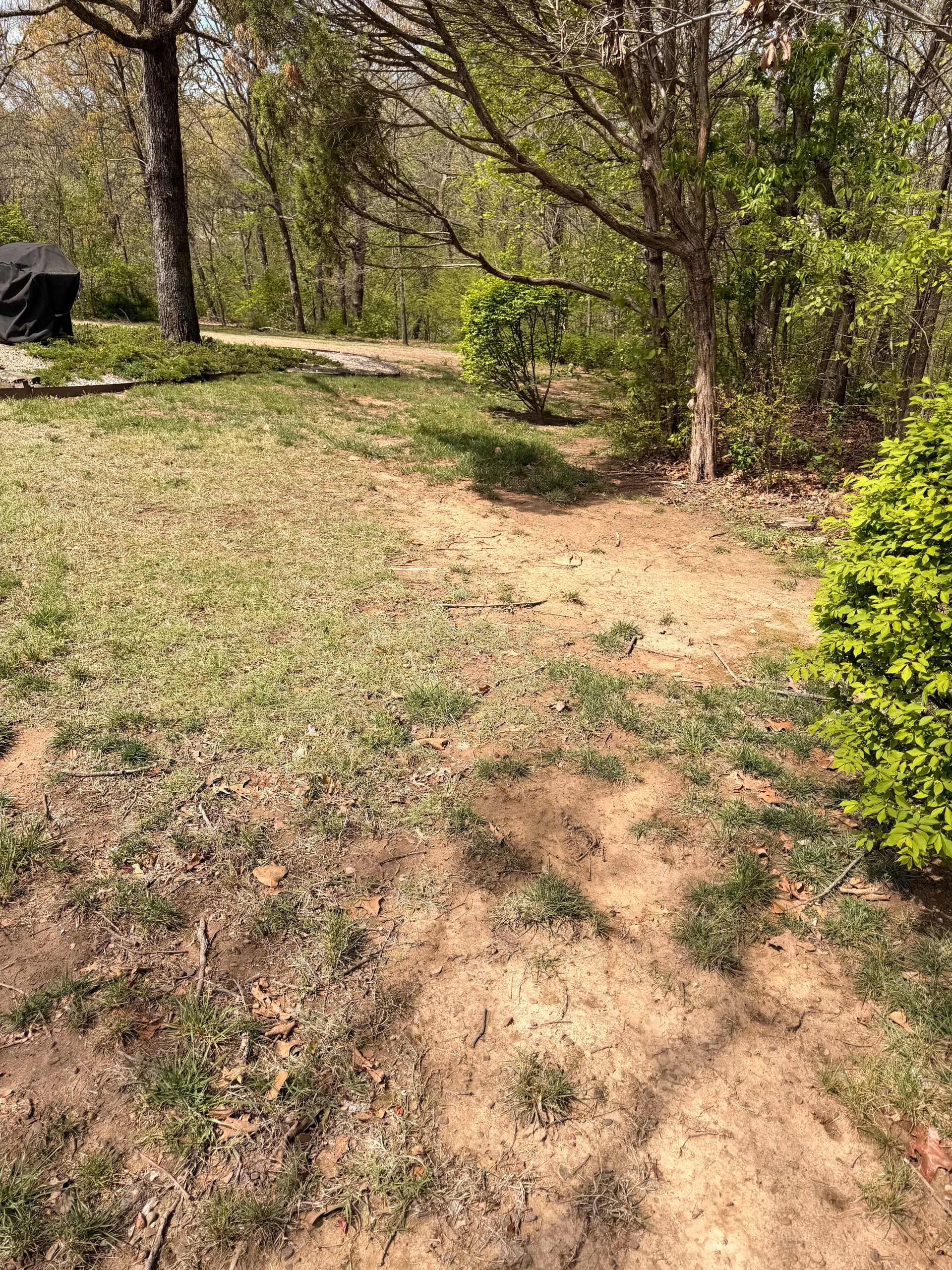
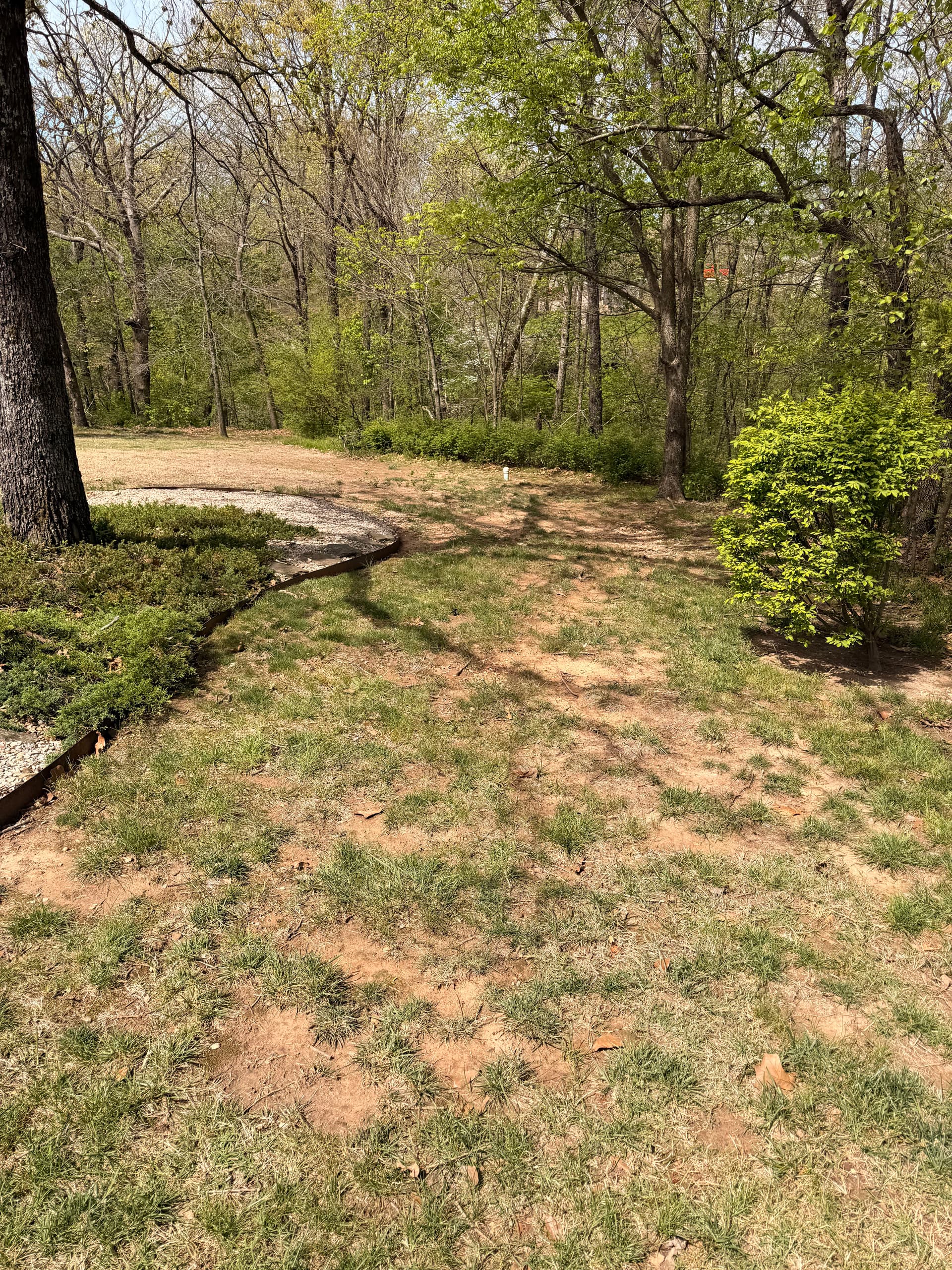
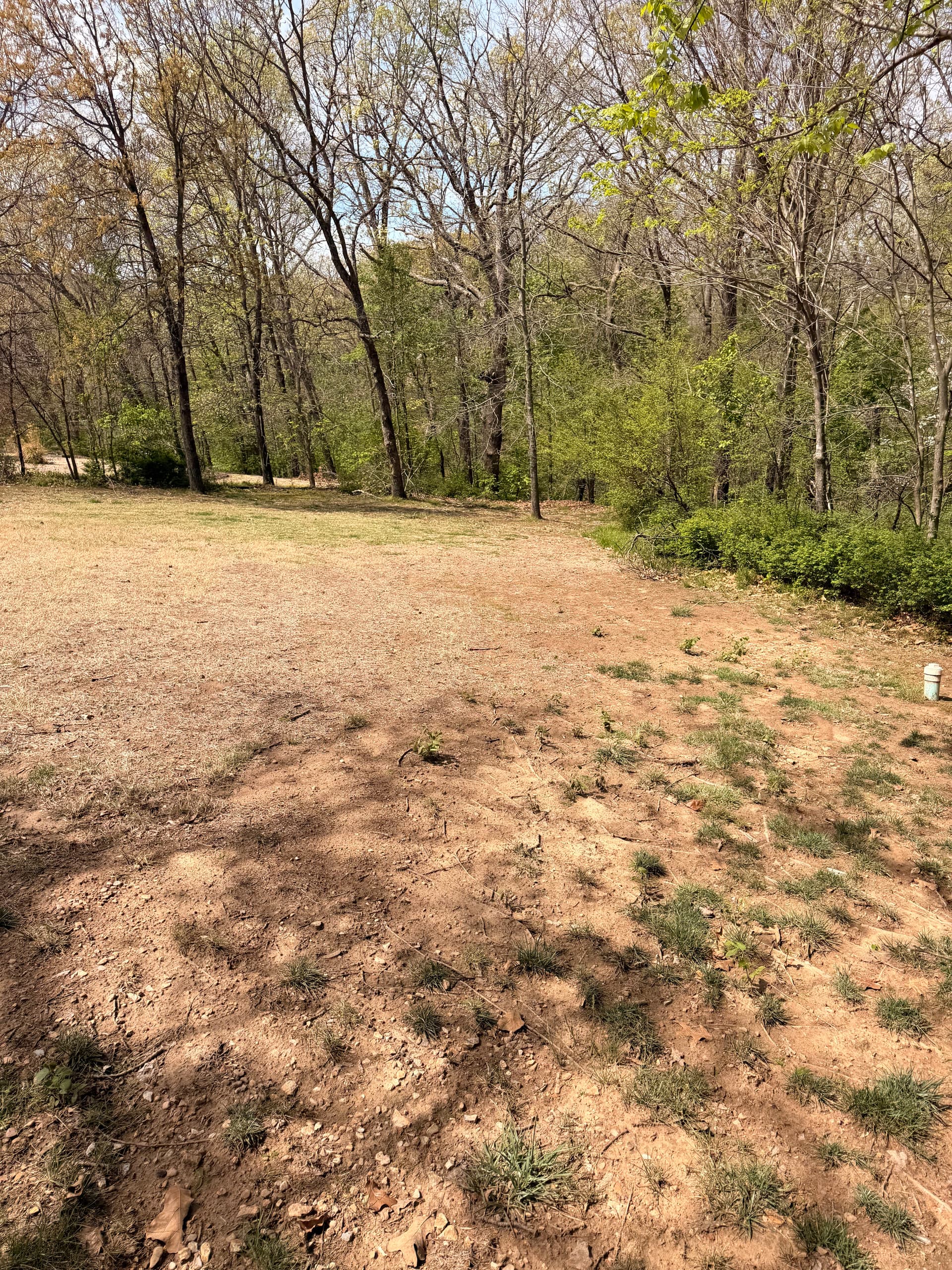
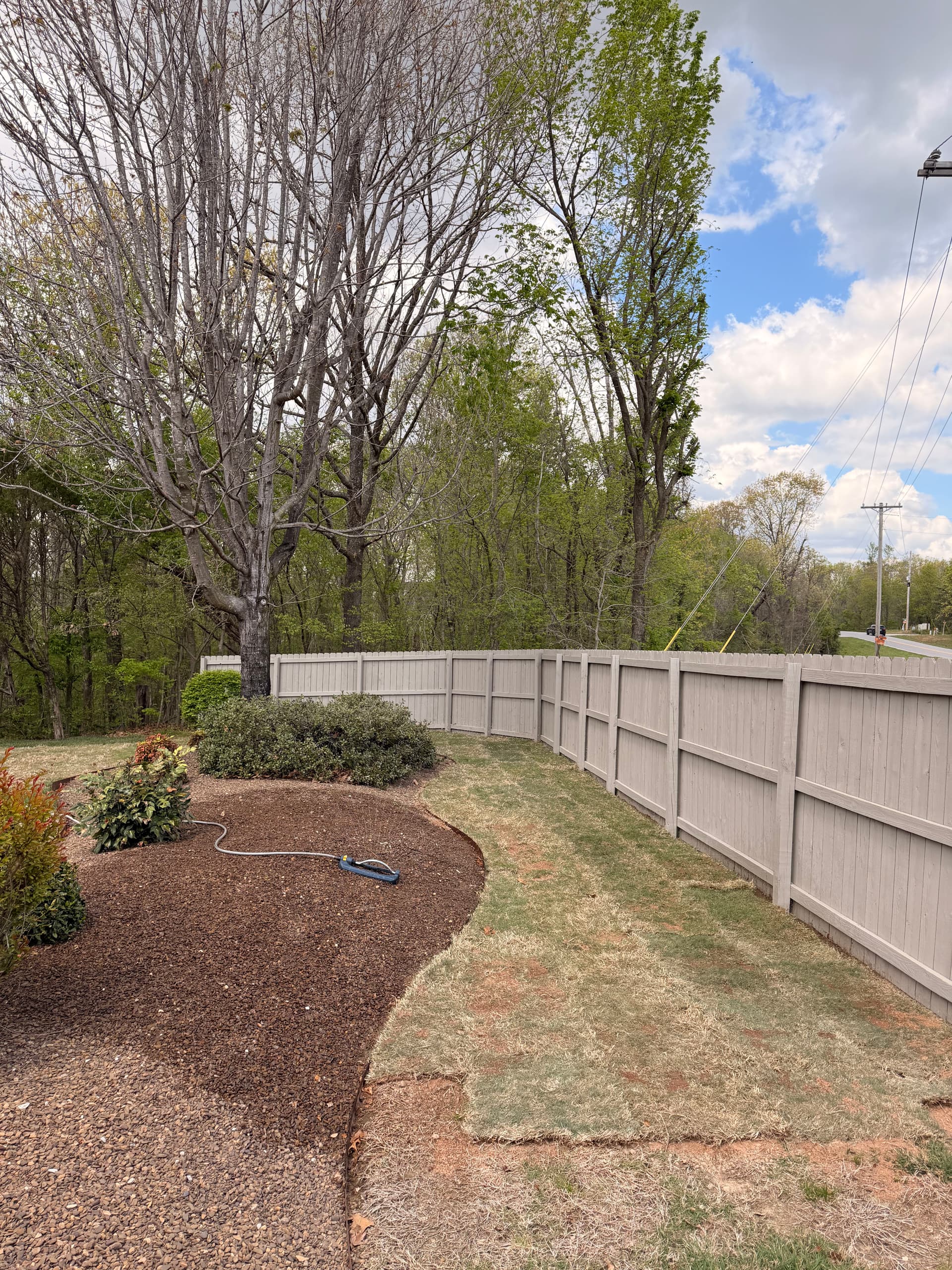
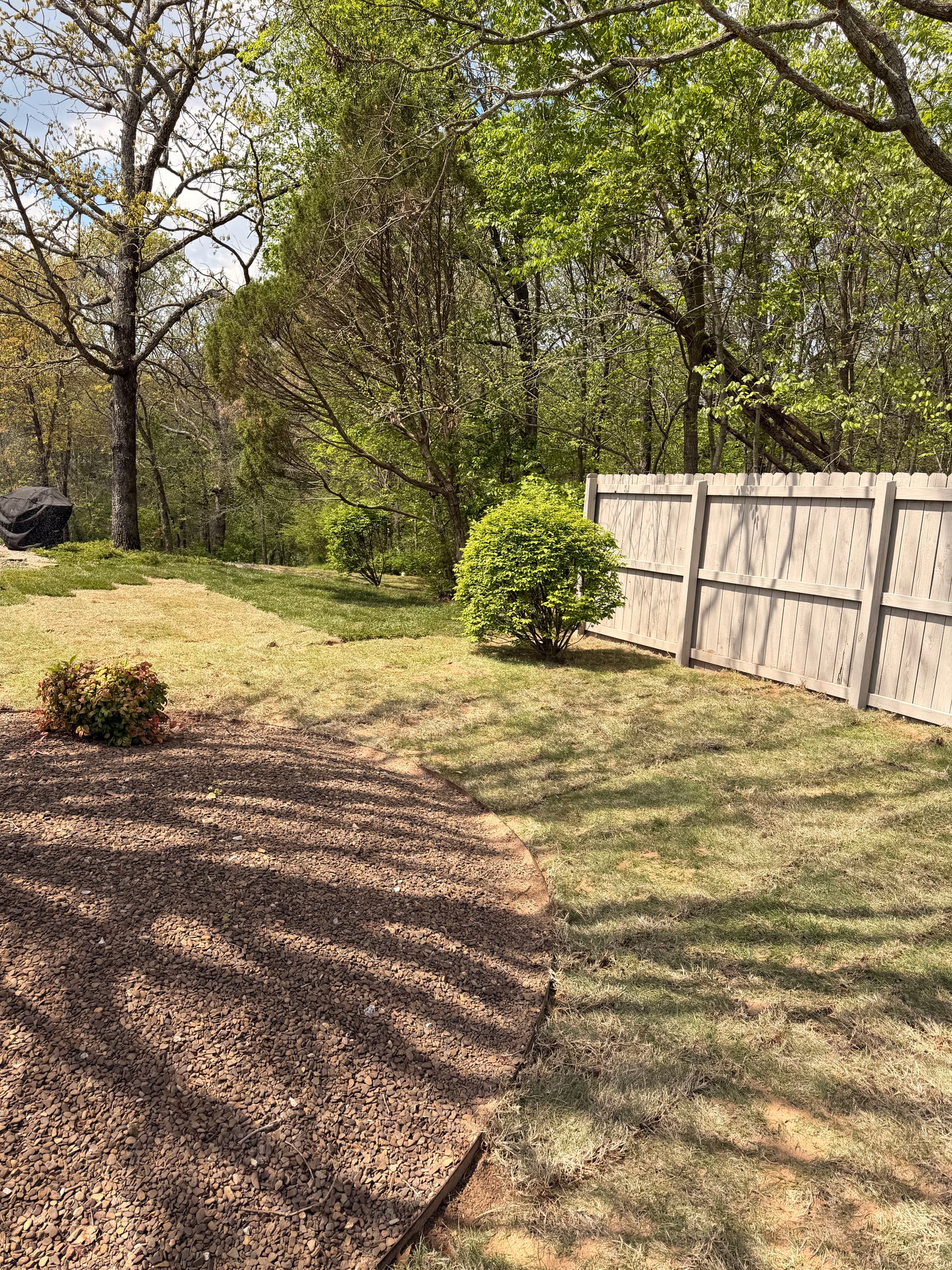
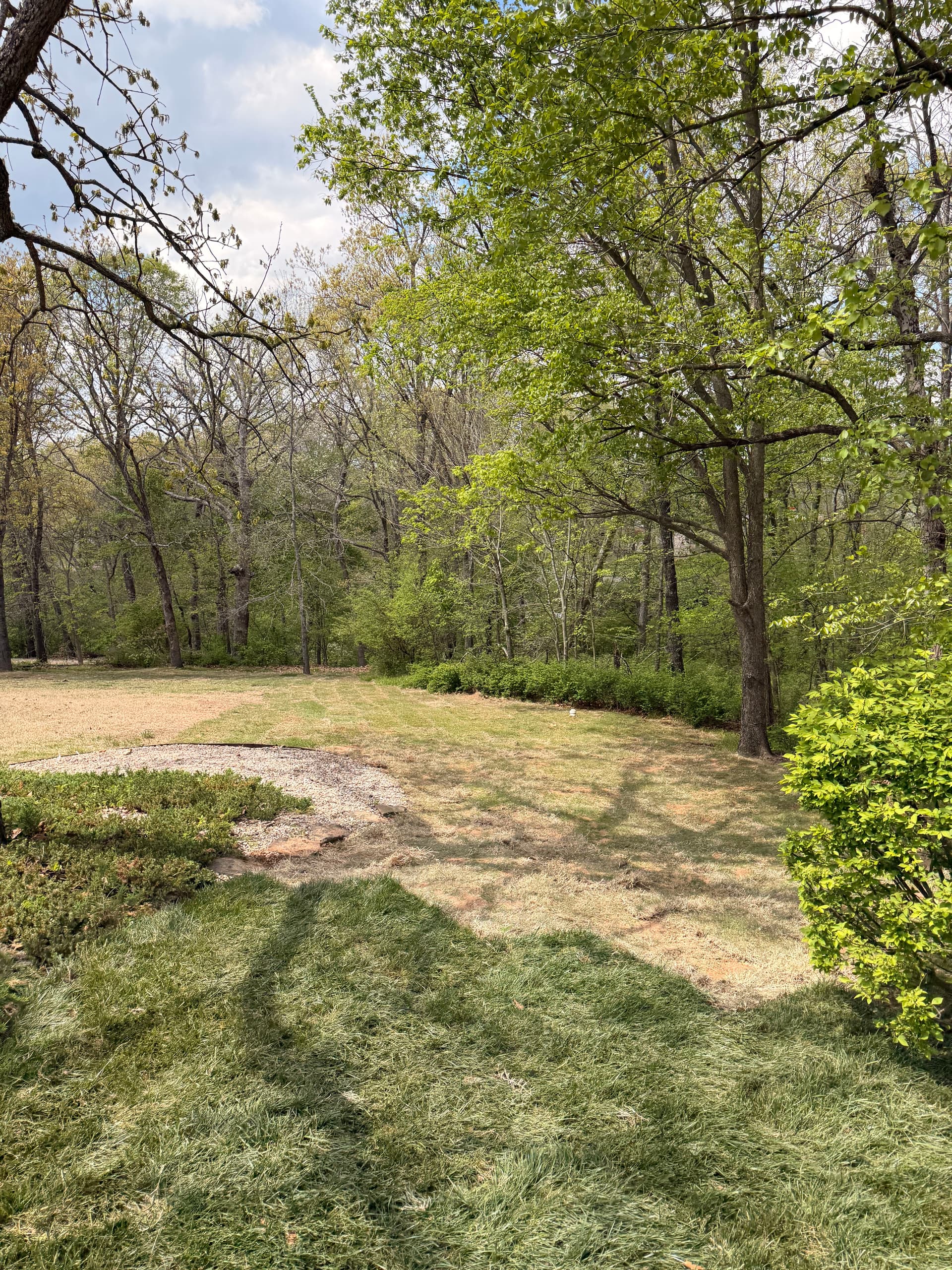
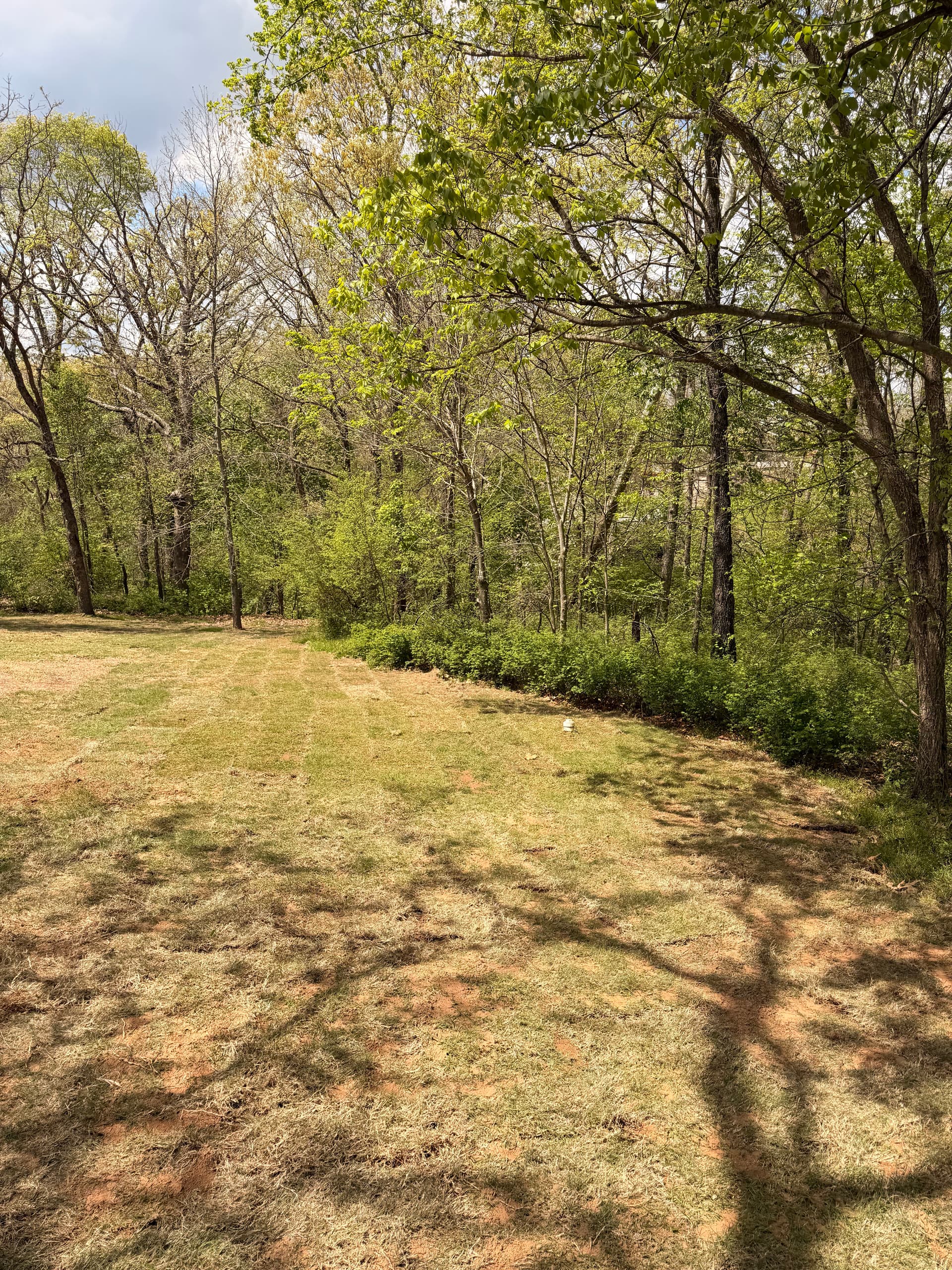
Here's what we were working with - a large backyard with patchy, thinning grass, bare dirt scattered throughout, and uneven ground that wasn't going to fix itself with seeding alone. Spots like this don't respond well to just throwing down seed and hoping for the best. The soil underneath was the real problem.
Before a single piece of sod went down, we regraded the entire area and brought in screened topsoil. That step matters more than most people realize. Screened topsoil gives the roots a clean, nutrient-rich base to grab onto right away. Skip that step and you're setting the sod up to struggle from day one.
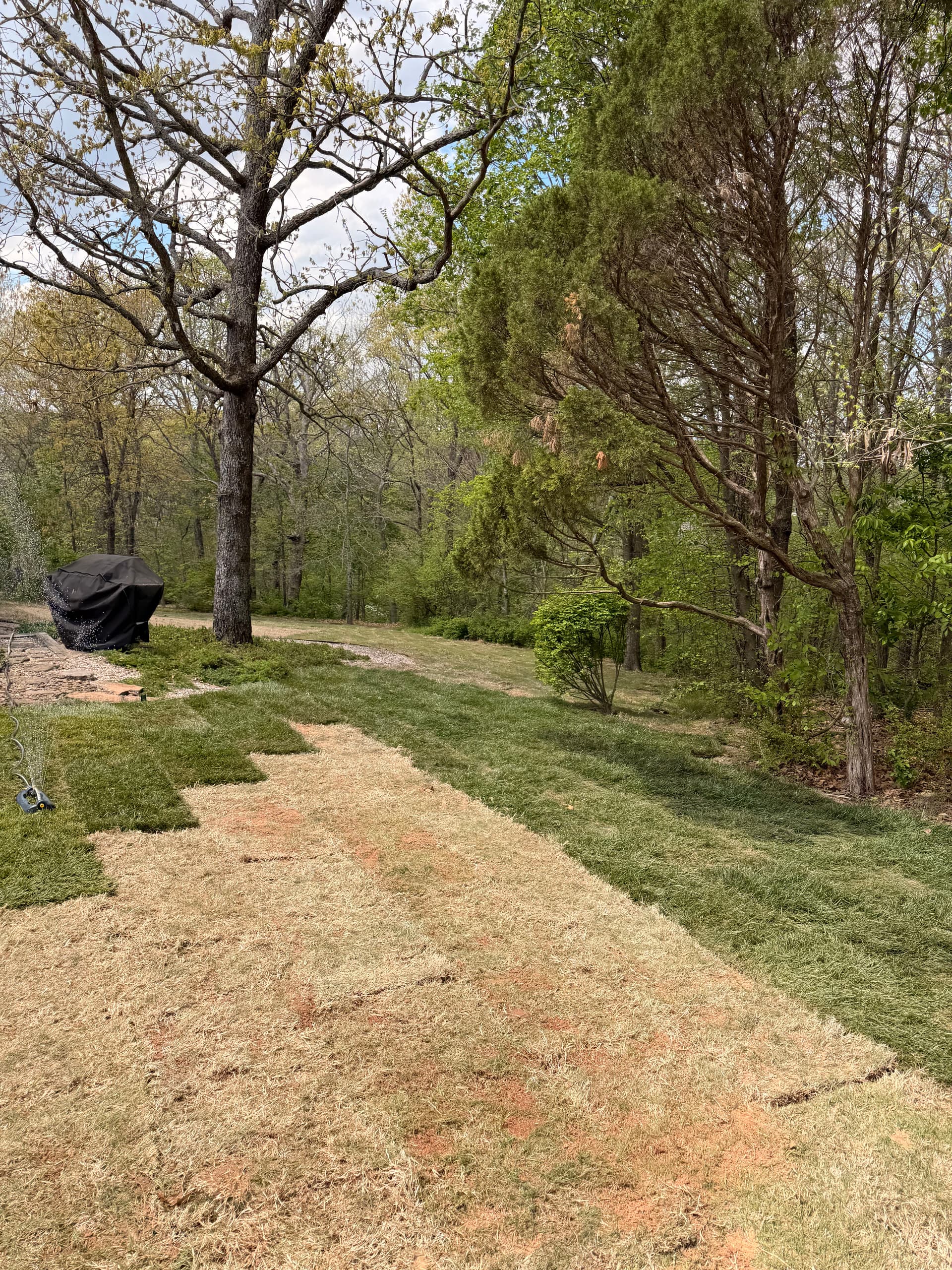
For the grass itself, we used a combination of Bermuda and Fescue - 10 pallets of Bermuda covering the main lawn area, and 1 pallet of Fescue for spots that needed a cool-season option. Mixing grass types on a property like this isn't always common, but when the yard has different conditions across the space, it's the right call. You use what actually works for each area.
The end result is a yard that has consistent coverage across a large footprint, with sod laid tight and flat against properly prepared ground. No shortcuts on the prep, no gaps in the install. That's what separates a lawn that roots in strong from one that browns out and peels up after a few weeks.